

Seeing “0 events” pop up during your search usually means one of three things: your filters are too narrow, the dates you’ve selected don’t have scheduled activities, or the location hasn’t had new listings added yet. The good news? Most empty results are fixable in under a minute by adjusting your search parameters or broadening your criteria.
When you’re hunting for things to do and come up empty, it’s frustrating. You’re ready to explore, make plans, or find something exciting nearby, and instead you’re staring at a blank screen. This happens more often than you’d think, especially when searching smaller towns during off-peak seasons or using very specific category combinations like “free outdoor jazz festivals on Tuesdays.”
The fix is rarely complicated. Sometimes a single checkbox or date adjustment brings dozens of options back into view. Other times, you’ll discover that the best events are happening just outside your original search area or a few days before or after your preferred dates. Understanding why the search came up empty puts you back in control and gets you closer to finding exactly what you’re looking for, whether that’s a local festival, a concert series, or a weekend market worth the drive.
Why You’re Seeing ‘0 Events Found’ (And What It Really Means)
Seeing ‘0 events found’ doesn’t mean nothing’s happening in your area, it usually means the search parameters are too narrow or the platform hasn’t captured every local happening yet. Event databases rely on organizers submitting their listings, tourism boards updating regional calendars, and automated feeds pulling from ticketing sites. If an event isn’t formally registered or promoted through these channels, it won’t show up, even if it’s drawing a crowd downtown.
The most common culprits behind empty results include:
- Overly specific date ranges that miss events scheduled just outside your selected window
- Location filters set to small towns or neighborhoods with limited formal listings
- Stacked category and price filters that eliminate all remaining options
- Off-season timing when major festivals and outdoor events naturally pause
- Database lag, where newly announced events haven’t been added to the system yet
Understanding these limitations helps set realistic expectations. Large cities like Toronto, Vancouver, and Montreal have robust event ecosystems with frequent updates, while smaller markets might show gaps simply because organizers haven’t posted online. Seasonal shifts matter too, searching for outdoor concerts in February or summer festivals in November will naturally come up short, not because Canadians hibernate, but because event calendars follow weather patterns and cultural rhythms.
The good news is that zero results often signal an opportunity to adjust your approach rather than abandon your plans. A few tweaks to your search strategy, combined with some local insider knowledge, can uncover plenty of options that exist just outside the initial query. The events are out there; sometimes you just need to ask the question differently.
Top Fixes to Find Events When Searches Come Up Empty
1. Expand Your Date Range

Searching for events on a specific Friday or Saturday might turn up nothing, even if there’s a great concert happening Thursday night or a festival starting the following Monday. Event calendars don’t always align perfectly with your ideal dates, and organizers sometimes list multi-day festivals under their opening date only.
Try expanding your search to cover the full week surrounding your target dates. If you’re planning a weekend trip, include Thursday through Tuesday in your search parameters. For special occasions like long weekends, check the days immediately before and after the holiday.
Shoulder dates often hide better deals and less crowded experiences anyway. That Wednesday evening theatre show or Sunday afternoon market might offer the same quality as weekend events, with easier parking and better availability. Many Canadian venues and festivals schedule performances throughout the week, not just Friday and Saturday. Casting a wider net reveals options you’d otherwise miss entirely.
2. Broaden Your Location Radius
Small towns and rural areas often have fewer events listed simply because there are fewer happening, or fewer organizers submitting them to national platforms. If your search for events in a specific community returns nothing, try widening your location radius to include neighboring cities and regional hubs.
Many Canadians live within an hour’s drive of larger centers that host concerts, festivals, sports events, and cultural programming. A quick search for events in the nearest city might reveal options you can easily reach. Check the distance and consider whether you’re willing to make a short road trip for the right experience.
Don’t forget to look at transportation options. Some regions have intercity bus services, GO Transit connections, or VIA Rail routes that make attending events in nearby cities practical without a car. Broadening your geographic search by even 50 kilometers can transform zero results into a calendar full of possibilities, especially in provinces where communities cluster along highways and transit corridors.
3. Remove or Adjust Category Filters
If you’ve set your search to show only outdoor festivals in a specific price range on a particular weekend, you might be filtering out everything available. Each additional criterion narrows the pool, and combining too many at once, especially in smaller markets or during quieter seasons, can easily produce zero matches.
Start with just your location and date range, then layer in one filter at a time. Check results after adding each criterion so you can see which combination is too restrictive. For example, search your city first without selecting any event categories then add “music” or “family-friendly” only after you’ve confirmed events exist. If you need free options, try removing the price filter initially to see what’s out there, then sort or refine from a larger set.
This gradual approach prevents over-filtering and helps you discover events you might have overlooked by being too specific too soon.
4. Check Spelling and Location Names
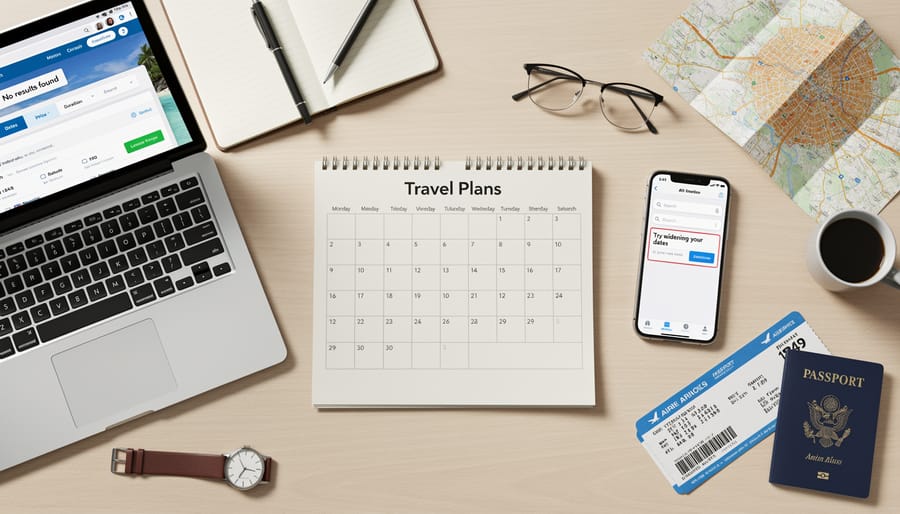
A misspelled city name or incorrect location format can make search engines miss thousands of valid results. Canadian place names present unique challenges: Saint John (New Brunswick) differs from St. John’s (Newfoundland), while Thunder Bay used to be Fort William and Port Arthur. Search engines may not catch every variation automatically.
Try these quick checks: Add or remove periods in abbreviations (St. vs Saint), test both English and French names for bilingual cities (Montreal/Montréal), and verify regional distinctions (London, Ontario isn’t London, UK). If autocomplete suggests a location, click it rather than typing manually, this ensures you’re searching the exact database entry. One corrected letter can transform zero results into dozens of local events.
5. Search for Seasonal and Year-Round Attractions
When event searches come up empty, shift your focus from calendar-dependent happenings to attractions that welcome visitors year-round. Museums, art galleries, historic sites, and nature centers operate on consistent schedules regardless of what’s trending on event listings. Many cities across Canada host walking tours, brewery experiences, escape rooms, and indoor entertainment venues that don’t require advance booking or special dates.
Outdoor attractions offer similar reliability. National and provincial parks, hiking trails, scenic viewpoints, and waterfront areas remain accessible throughout the year, with seasonal changes actually enhancing the experience rather than limiting it. Aquariums, science centers, and botanical gardens maintain regular hours and rotating exhibits that provide fresh experiences without appearing as single-day events.
This pivot works especially well in smaller markets where one-time events are sparse but permanent attractions form the backbone of local tourism. Browse attraction categories instead of event calendars, and you’ll discover options that were available all along, they just weren’t listed as happenings with specific dates.
6. Enable Notifications and Save Your Search

Most event platforms let you save your search and turn a dead end into a waiting game that works in your favor. Instead of checking back manually every few days, set up alerts for your specific criteria, the system will email or notify you the moment something new gets posted that matches your dates, location, and interests.
Create a free account if you haven’t already, then look for “Save Search” or “Set Alert” options near your filter settings. You’ll receive updates as organizers add events, often weeks before they’re widely promoted. This works especially well for niche categories, small towns, or popular dates that sell out quickly.
If you’re planning a trip months ahead or waiting for festival announcements, saved searches do the heavy lifting while you focus on other planning. Check your notification preferences to avoid inbox overload, weekly digests usually strike the right balance between staying informed and not drowning in emails.
Practical Information: Getting the Most from Event Search Tools
Event search platforms update their listings continuously, but understanding how that process works helps you time your searches and set realistic expectations. Most organizers add events weeks or even months in advance for popular ticketed experiences, while smaller community gatherings often appear just days before they happen. Check back regularly, especially during the first week of a new month when organizers finalize their calendars for upcoming dates.
Knowing how search functionality works means recognizing that listings come from multiple sources: direct submissions from organizers, partner integrations, and aggregated feeds from local event boards. This layered approach explains why some events appear instantly while others take time to surface. If you’re searching for something specific, try different days of the week, many platforms prioritize updates on weekday mornings when staff process new submissions.
| Search Strategy | Best Used When | What to Expect |
|---|---|---|
| Check 4-6 weeks ahead | Planning ticketed concerts, festivals, major events | Full lineup of professional events with advance sales |
| Check 1-2 weeks ahead | Looking for local markets, workshops, community gatherings | Grassroots events and last-minute additions |
| Search weekday mornings | Finding newly posted events after weekend planning | Fresh listings just added by organizers |
| Filter by free vs. ticketed | Budget-conscious browsing or commitment-free exploring | Narrower but more targeted results |
Always verify event details through the organizer’s official website or social media before making plans. Search platforms aggregate information but don’t always catch last-minute changes to times, venues, or cancellations. Click through to the source link, confirm the event is still happening, and check for updated ticket requirements or registration steps that might have changed since the listing was posted.
Local Tips: Hidden Gems When the Calendar Looks Quiet
When your search comes up empty, some of the best discoveries happen offline, or at least off the beaten digital path. Many Canadian communities host events that never make it onto major platforms, relying instead on local channels that fly under the radar of national databases.
Start with your destination’s official tourism website and regional visitor centers. These sites often list community calendars, seasonal happenings, and cultural festivals that organizers submit directly to the municipality rather than to aggregator platforms. Small towns and rural areas especially lean on these channels because they know that’s where locals and curious travelers look first.
Facebook event pages and local community groups are goldmines for spontaneous gatherings. Search for “Events in [City Name]” or join neighborhood groups where residents share farmers’ markets, pop-up shops, outdoor movie nights, and fundraisers. Instagram location tags can reveal gallery openings, food truck rallies, and live music at breweries, events that exist but don’t always get formal free event listings.
Don’t overlook ongoing attractions that don’t need an event listing: hiking trails with seasonal foliage, public art installations, heritage sites, and self-guided tours operate year-round regardless of what the calendar says. Ask locals, hotel staff, baristas, shop owners, what’s happening this week. Word of mouth uncovers jam sessions, pop-up markets, and neighborhood block parties that never needed a formal listing to draw a crowd. Sometimes the best experiences aren’t waiting in a search box; they’re just around the corner.
Frequently Asked Questions
Does “0 events found” mean there’s nothing happening in my area?
Not necessarily. It usually means the search criteria are too narrow or that local events haven’t been added to the platform yet. Many smaller community events, festivals, and gatherings exist but aren’t listed in national databases.
How often are new events added to search platforms?
It varies widely. Major events and ticketed shows are often posted months ahead, while community events may appear just weeks or days before they happen. Checking back regularly or setting up notifications helps catch newly added listings.
What should I do if I know an event is happening but it doesn’t show up in search results?
Go directly to the event organizer’s website or social media pages for confirmed details and ticket links. Not all events make it into third-party search platforms, especially smaller or volunteer-run gatherings.
Can I suggest an event to be added to the platform?
Most event platforms have a “Submit an Event” feature or contact form. Event organizers typically need to add their own listings, but reaching out can sometimes prompt the platform to include missing community happenings.
Remember that search tools are starting points, not complete inventories. When you hit a wall with zero results, shifting your approach, broadening filters, exploring nearby areas, or tapping into local networks, usually uncovers options the algorithm missed. The events are out there; sometimes they just need a different search angle to surface.