
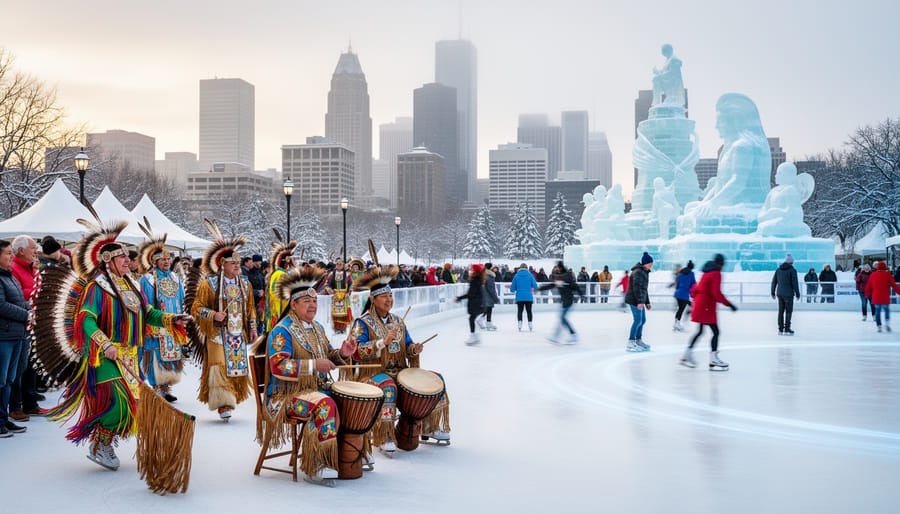
Canada celebrates year-round with over 2,000 festivals spanning music, culture, food, film, and seasonal traditions across every province and territory. Whether you’re planning a summer road trip to catch outdoor concerts, hunting for winter lights spectacles, or exploring Indigenous cultural celebrations, Canadian festivals deliver distinct regional flavors shaped by the country’s multicultural fabric and dramatic geography. You’ll find everything from massive urban events drawing hundreds of thousands to intimate community gatherings in small towns, most accessible without extensive planning or VIP passes.
The festival landscape here reflects the nation’s identity. Major cities host internationally recognized events like Toronto’s film showcases and Montreal’s jazz gatherings, while prairie provinces celebrate agricultural heritage through harvest fairs and rodeos. Coastal regions lean into maritime culture with seafood feasts and folk music, and northern territories offer midnight sun celebrations you won’t find anywhere else. Winter festivals transform the coldest months into reasons to gather, featuring ice sculpture competitions, outdoor skating parties, and snow sports.
What makes Canadian festivals particularly rewarding is their accessibility. Most don’t require months of advance booking or lottery systems. You can often secure tickets weeks before an event, find reasonably priced accommodations nearby, and enjoy free programming alongside ticketed headline shows. The festival circuit also runs deeper than the famous names, with nearly every region hosting signature events that reveal local character and bring communities together in ways big-city spectacles can’t quite match.
Why Canada’s Festival Scene Is Worth Exploring
Canada’s festival scene stands out for reasons that go beyond sheer numbers. This country hosts thousands of events each year, but what makes them special is how they reflect the places and people who create them. From Vancouver Island to Newfoundland, festivals here tell stories about the communities that call these regions home.
The multicultural makeup of Canadian cities means you’ll find authentic celebrations of cultures from around the world. Toronto’s Caribbean Carnival draws millions, while Montreal’s Just for Laughs brings comedians from every continent. Smaller towns host Highland Games, Ukrainian dance festivals, and Vietnamese Tet celebrations with the same pride. These aren’t tourist re-creations, they’re genuine expressions of heritage maintained by communities who’ve settled across the country.
Canada’s geography creates distinct festival experiences you won’t find elsewhere. Summer brings outdoor music events that take advantage of long daylight hours. Winter festivals transform brutal cold into celebration, with ice sculpture competitions and snow playgrounds that only make sense in a place where -20°C is normal. Spring maple syrup festivals in Quebec and fall harvest events in the Okanagan tie directly to regional seasons and industries.
The festival landscape includes:
– Music and performing arts events ranging from jazz to electronic
– Cultural and heritage celebrations honoring Indigenous, French, and immigrant traditions
– Food and drink festivals showcasing regional cuisine and craft beverages
– Winter celebrations featuring ice, snow, and cold-weather activities
– Arts and crafts fairs highlighting local makers and artisans
– Community events that bring neighborhoods together for seasonal traditions
What you’ll notice at Canadian festivals is accessibility. Major urban events draw international headliners, but you can also find intimate gatherings in prairie towns or coastal villages where locals share their traditions without pretense. Many festivals incorporate both English and French programming, reflecting the country’s bilingual reality, while Indigenous festivals across provinces offer direct connection to First Nations, Métis, and Inuit cultures. The atmosphere tends toward welcoming rather than exclusive, festivals here function as community gatherings that happen to be open to visitors.
Top Festival Experiences Across Canada
1. Summer Music Festivals
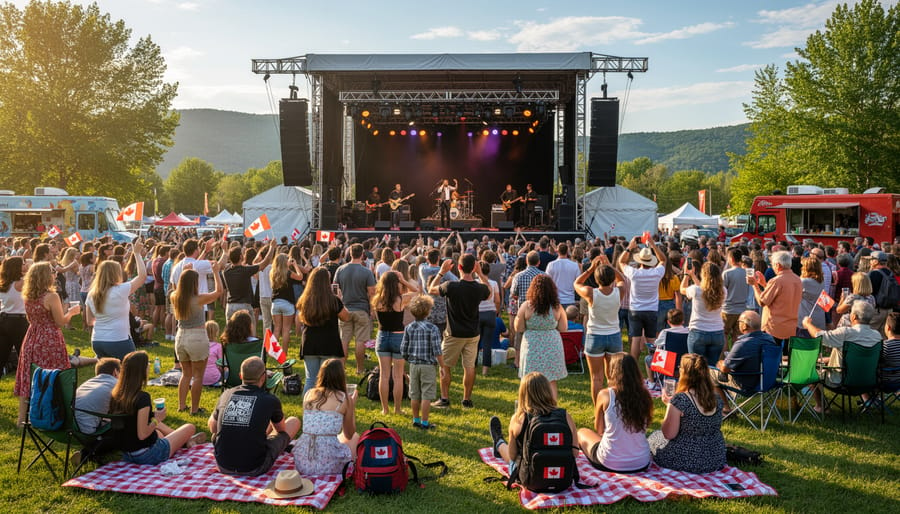
Canada’s summer music festival scene transforms cities and countryside into open-air concert venues from June through September. Major multi-day events draw international headliners and emerging artists across virtually every genre, creating immersive experiences that blend music, food, and social atmosphere.
Montreal leads with the renowned Jazz Festival, which fills downtown streets with free and ticketed performances spanning traditional jazz to blues and world music. Toronto’s outdoor islands host electronic music gatherings, while Calgary and Edmonton feature country and folk lineups that reflect prairie musical traditions. Vancouver’s waterfront venues showcase indie rock and alternative acts against mountain backdrops.
Expect general admission standing areas at most festivals, with VIP sections offering seating and amenities. Multi-stage setups let you sample different artists throughout the day, though schedule conflicts between favorite acts are inevitable. Food vendors typically outnumber ATMs, so budget accordingly.
Weather varies, prairie festivals can swing between afternoon heat and cool evenings, while coastal events face potential rain. Most festivals allow small bags and blankets but prohibit outside food and drinks. Capacity crowds at headliner sets mean arriving early for good sightlines, particularly at festivals without reserved seating sections.
2. Winter Celebrations and Ice Festivals
Canada transforms winter’s deep freeze into a reason to celebrate, with festivals that turn snow and ice into spectacular attractions. Rather than retreating indoors, communities across the country host events that showcase ice carving artistry, outdoor sports, and cold-weather traditions that make the season something to anticipate instead of endure.
Quebec City’s Winter Carnival stands as the world’s largest winter festival, featuring massive ice palaces, night parades, and canoe races across frozen river sections. The event spans nearly three weeks each February, drawing hundreds of thousands who brave sub-zero temperatures for toboggan slides, snow baths, and evening light shows that illuminate intricate ice sculptures.
Ottawa’s Winterlude takes over the Rideau Canal, the world’s largest skating rink, with ice carving competitions, snow playgrounds, and outdoor concerts. The festival runs through February weekends, offering free skating alongside hot chocolate stands and warming huts designed by architects.
Smaller communities host their own ice festivals, from Alberta’s Jasper in January with its ice climbing demonstrations to Manitoba’s Festival du Voyageur celebrating French-Canadian fur trade heritage through winter games and traditional music. These events prove that Canadians don’t just tolerate winter, they’ve mastered celebrating it, creating experiences you won’t find anywhere else.
3. Cultural and Heritage Festivals
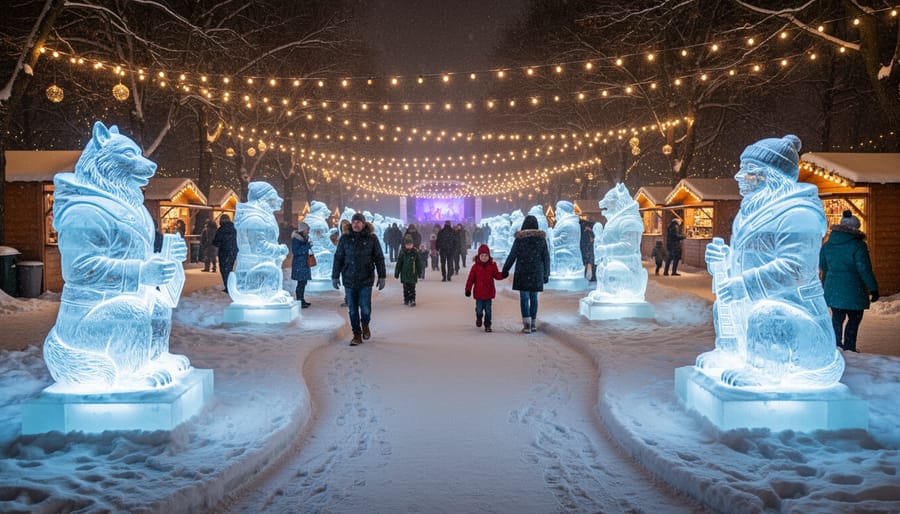
Canada’s cultural and heritage festivals showcase the country’s remarkable diversity, offering windows into the traditions that have shaped communities from coast to coast. These celebrations go beyond entertainment, they preserve languages, honor ancestors, and educate visitors about the stories woven into Canada’s national fabric.
Indigenous powwows and cultural gatherings take place across all provinces, featuring traditional drumming, dance competitions, storytelling, and artisan markets. These events welcome respectful visitors to witness centuries-old traditions while supporting Indigenous artists and communities. The timing often aligns with seasonal changes that hold spiritual significance.
French-Canadian festivals concentrate in Quebec and Francophone communities elsewhere, celebrating Acadian heritage, traditional music like fiddle and spoon playing, and joie de vivre through street parties and historical reenactments. Winter Carnaval traditions date back generations, transforming cold months into reasons for community celebration.
Multicultural festivals in major cities honor the specific heritage of immigrant communities, Caribbean Carnival with elaborate costumes and soca music, Greek festivals with traditional dancing and souvlaki, Ukrainian celebrations featuring perogies and folk costumes, Chinese New Year parades with dragon dances. These events typically include authentic food, performances, language workshops, and cultural exhibitions that make heritage accessible to everyone, regardless of background. Many are free, relying on community volunteers and proudly maintaining authenticity.
4. Food and Culinary Events
Canada’s food festival scene mirrors the country’s vast geography, with each region bringing its signature flavours to the table. On the East Coast, seafood festivals dominate, think lobster boils in Nova Scotia, oyster shucking contests in PEI, and fish and chips celebrations in Newfoundland. These coastal events often run through summer when catches are freshest.
Head to the prairies and you’ll encounter beef festivals celebrating Alberta’s ranching heritage, with barbecue competitions and farm-to-table dinners showcasing local cattle. Saskatchewan and Manitoba host harvest festivals that highlight grain, honey, and wild game.
Ontario and Quebec lead the country in culinary diversity. Montreal’s poutine week has spawned similar celebrations nationwide, while Toronto hosts everything from Taste of the Danforth (Greek cuisine) to Winterlicious restaurant weeks. Quebec’s maple syrup festivals in early spring draw massive crowds to sugar shacks across the province.
British Columbia’s wine regions host harvest festivals and vineyard tours throughout fall, while craft beer festivals pop up in cities coast to coast year-round. The Okanagan Valley combines wine tastings with local produce markets, creating weekend-long epicurean experiences.
Most food festivals operate on a taste-ticket system, you buy credits and exchange them at vendor booths, letting you sample widely without committing to full meals.
5. Arts, Film, and Fringe Festivals
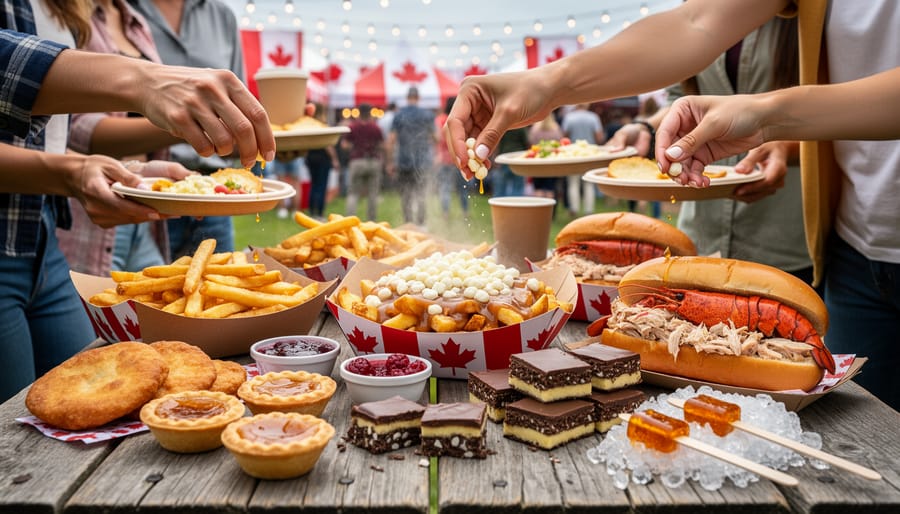
Canada’s artistic festival circuit runs deep, from experimental theatre to internationally acclaimed film showcases that transform cities into cultural hubs every year. The Toronto International Film Festival draws industry professionals and cinema lovers each September, screening hundreds of films across downtown venues, while smaller regional film festivals spotlight emerging directors and documentary work year-round.
Fringe festivals represent some of Canada’s most adventurous programming. Edmonton Fringe, the oldest in North America, fills Old Strathcona with outdoor stages and indoor black-box theatres each August, offering everything from stand-up comedy to avant-garde performance art. Montreal’s Just for Laughs dominates the comedy calendar with street performers and headliner shows across downtown venues, while Vancouver and Winnipeg host their own thriving fringe scenes featuring uncensored theatre and boundary-pushing artists.
Beyond performance arts, visual celebrations like photography expos and gallery crawls occur in major centres, with particularly strong offerings at Quebec City events that blend visual arts with heritage architecture. These festivals typically run concentrated schedules over one to three weeks, creating temporary artistic ecosystems where audiences can catch multiple performances or screenings daily. Many fringe events operate on pay-what-you-can models, making experimental art accessible to wider audiences than traditional theatre.
Planning Your Festival Visit: Practical Information
Getting There and Around
Getting to festivals across Canada varies widely depending on location and event size. Major urban festivals in cities like Toronto, Montreal, Vancouver, and Calgary are easiest to reach, with international airports, VIA Rail connections, and extensive public transit networks. Once there, most city festivals are transit-accessible, check event websites for recommended routes and station stops.
For regional festivals in smaller towns or rural areas, renting a car often provides the most flexibility. Many popular events like folk festivals or agricultural fairs are located outside urban cores where transit options are limited. Book early if you’re planning to attend well-known festivals, as nearby hotels and rental cars sell out quickly.
Parking at large festivals can be challenging and expensive. Arrive early or consider rideshare services to avoid the hassle. Some organizers offer shuttle buses from designated parking lots or partner hotels, check ahead. For multi-day camping festivals, plan your route carefully and allow extra time for on-site parking and security checks.
If you’re traveling between provinces for festival-hopping, domestic flights connect major hubs efficiently, though driving lets you explore multiple smaller events along the way.
Tickets and Admission
Ticket prices vary widely depending on the festival’s scale and duration. Small community celebrations often offer free admission, while major multi-day music festivals can range from $100 to $400+ for full weekend passes. Single-day tickets typically cost 40-60% of the pass price, giving flexibility if you can’t commit to the entire event. Early-bird tickets usually go on sale 3-6 months ahead and save you 20-30% compared to gate prices.
Buy directly from the festival’s official website when possible, or use trusted platforms that list verified events. Events Finder Canada organizes festivals by event categories making it easy to find official ticketing links. Popular festivals sell out weeks in advance, so book early, especially for accommodation-inclusive packages. Watch for presale codes through festival newsletters or sponsor promotions. Some events offer payment plans for higher-priced passes, spreading the cost over several months.
What to Expect and Bring
Most Canadian festivals provide basic amenities like washrooms, food vendors, and drinking water stations, though lineups can be long during peak hours. Arrive with cash and cards since not all vendors accept both, and cell service may be spotty at outdoor venues.
Weather preparation is crucial. Summer festivals require sunscreen, hats, and reusable water bottles, temperatures can soar, especially in prairie provinces. For spring and fall events, pack layers since evenings cool down significantly. Winter festivals demand serious cold-weather gear: insulated boots, thermal layers, and hand warmers make the experience far more enjoyable.
Many festivals now offer accessibility services including accessible viewing areas, ASL interpretation, and companion tickets. Check the event website beforehand or contact organizers directly.
Smart packing essentials include a small backpack (check size restrictions), portable phone charger, rain poncho, and comfortable walking shoes. Lawn chairs or blankets work for outdoor concerts with general admission seating. If camping at multi-day festivals, add a sleeping bag rated for overnight lows and waterproof tent.
Insider Tips for Festival-Goers
Seasoned festival-goers in Canada know that arriving early pays off, gates often open an hour or more before headliners, giving you time to claim a good spot, explore vendor areas without crowds, and catch opening acts that sometimes surprise. For multi-day festivals, pace yourself: dehydration and exhaustion hit hard when you’re standing in the sun for hours, so alternate between high-energy performances and quieter workshops or art installations.
Download the festival app if one exists; organizers use them to announce stage time changes, surprise guests, and secret pop-up performances that never appear in the printed schedule. Don’t overlook smaller regional festivals an hour outside major cities, they offer shorter lines, lower ticket prices, and a more intimate atmosphere where you can actually chat with performers. Weather in Canada shifts fast, so layer clothing even in summer and stash a packable rain jacket; afternoon thunderstorms are common in July and August, and mountain festivals can drop ten degrees after sunset.
If you’re planning around booking timeframes for accommodation, lock in your hotel or campsite the moment tickets go on sale, rooms near popular festivals sell out months ahead. Finally, strike up conversations with locals in line or at food trucks; they know which after-parties are worth attending, which shortcuts avoid traffic jams, and where to grab the best late-night poutine when the festival grounds close.
Frequently Asked Questions
What’s the best time of year to attend festivals in Canada?
Summer (June through August) offers the highest concentration of festivals across all provinces, from major music events to cultural celebrations. However, winter festivals in January and February provide unique experiences like ice sculpture competitions and winter carnivals, while fall features harvest festivals and film events.
Are Canadian festivals family-friendly?
Most festivals welcome families and include dedicated children’s areas, activity zones, and age-appropriate programming. Many offer discounted or free admission for kids under 12, and daytime hours typically feature family-oriented entertainment before evening performances begin.
How much should I budget for a festival weekend?
Expect to spend between $50-200 per person for tickets, depending on the festival size and duration, with food and drinks adding another $30-60 daily. Multi-day passes usually offer better value than single-day tickets, and some community festivals remain free or donation-based.
Do I need to speak French to attend Quebec festivals?
While many Quebec festivals incorporate French, major events provide bilingual signage, staff, and information. English-speaking visitors can fully enjoy performances and activities, though learning a few basic French phrases enhances the experience and shows respect for local culture.
Weather preparation matters significantly for Canadian festival-goers. Summer events can swing from hot sun to sudden rain, so pack layers, sunscreen, and a waterproof jacket regardless of the forecast. Winter festivals demand proper cold-weather gear, insulated boots, thermal layers, and hand warmers make outdoor celebrations far more enjoyable when temperatures drop below freezing.
Book accommodations and purchase tickets two to three months ahead for popular summer festivals, especially in cities like Montreal, Toronto, and Vancouver where hotel rooms fill quickly. Smaller regional events allow more flexibility, but securing tickets early often means better pricing and guaranteed entry. International visitors should also factor in U visa timing when planning trips around specific festival dates to ensure travel documents are processed well before departure.
Canada’s festival landscape offers something for everyone, no matter where you are or what time of year you visit. From the energy of summer music events to the magic of winter ice celebrations, from cultural heritage gatherings to cutting-edge arts showcases, festivals bring communities together and welcome visitors into experiences that reveal the country’s true character.
The best part? You don’t need to stick to major cities or peak tourist seasons. Festivals happen coast to coast, in small towns and big metros alike, giving you endless opportunities to discover new places through celebration. Whether you’re drawn to food, music, culture, or simply soaking up local atmosphere, there’s a festival waiting.
Ready to start planning? Head to Canadian Festival Listings to browse upcoming events across all provinces. You’ll find detailed information on dates, locations, and what makes each celebration special. Pick a region you’ve never explored, choose a season that appeals, and dive into the festival experience. Canada’s celebrations are accessible, welcoming, and genuinely worth the trip.